
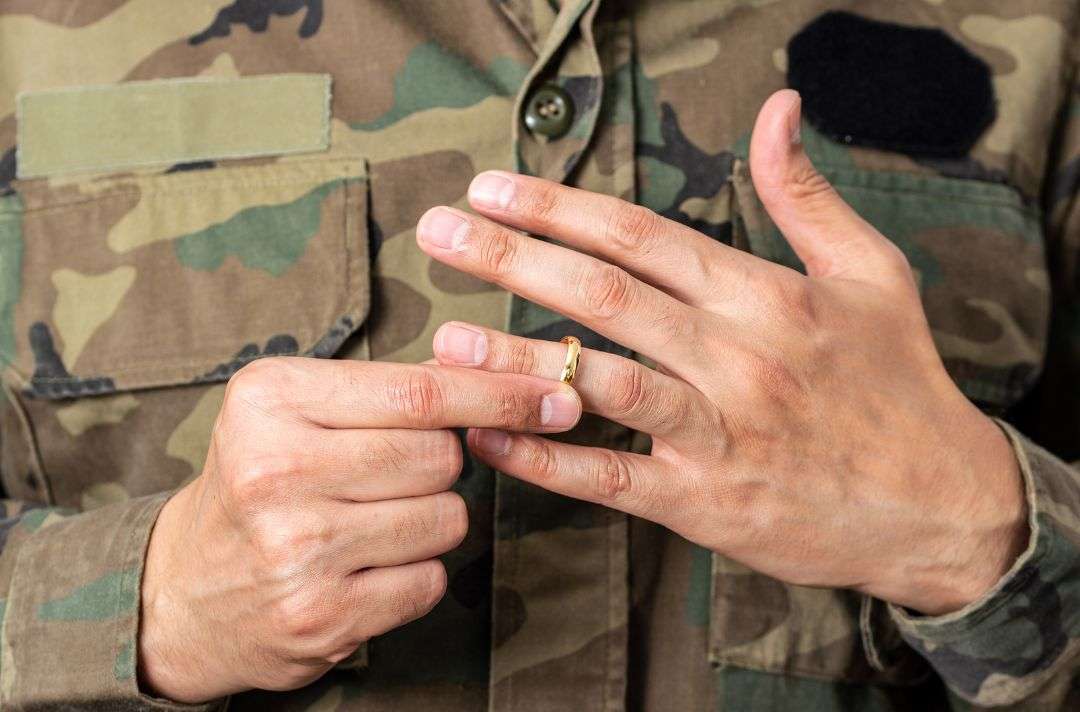
Military divorces can be uniquely complex, due to federal regulations, deployment schedules, and jurisdictional considerations. If you’re wondering, “How long does a military divorce take?” the answer depends on several factors, including whether the divorce is contested, the involvement of military-specific laws, and the unique circumstances of your case.
Key Factors That Affect the Timeline of a Military Divorce
The duration of a military divorce varies widely, from a few weeks for an uncontested case to more than a year for a contested one. Below are the primary factors that influence how long the process takes:
1. Contested vs. Uncontested Divorce
- Uncontested Divorce: If you and your spouse agree on all major issues (e.g., property division, child custody, and support), the divorce can be finalized relatively quickly, often within a few weeks to a few months, depending on court schedules and filing requirements. An uncontested divorce typically requires only one brief court appearance.
- Contested Divorce: If disputes arise over assets, alimony, or custody, the process can take several months to years. Litigation involves discovery, negotiations, and potentially a trial, all of which extend the timeline.
2. The Servicemembers Civil Relief Act (SCRA)
The Servicemembers Civil Relief Act (SCRA) is a federal law designed to protect active-duty military members during legal proceedings, including divorce. Under the SCRA:
- Courts cannot issue default judgments against a servicemember who is deployed, on active duty, or within 90 days of release from active duty.
- A servicemember can request a stay of proceedings (a temporary pause) if their military duties prevent participation in the divorce process. The initial stay lasts at least 90 days, and courts may grant additional extensions with sufficient justification.
- These stays can significantly delay the divorce, especially if the servicemember is deployed for an extended period.
3. Residency and Jurisdictional Requirements
To file for divorce in Washington, D.C., one spouse must meet the residency requirements of Washington, D.C.. For residency in D.C., one of the parties must have lived for at least six months immediately preceding the filing. For military members, determining legal residency can be complicated due to frequent relocations. If jurisdiction is contested or unclear, resolving this issue can add weeks or months to the process.
4. Grounds for Divorce
- No-Fault Divorce: In no-fault jurisdictions like Washington, DC, neither party needs to prove wrongdoing, and no period of separation is required before filing. D.C. allows couples to be considered “separated” even while cohabiting, which can expedite the process.
5. Division of Military Benefits
Military divorces often involve complex issues like dividing military pensions, and consideration of how other benefits, such as Basic Allowance for Housing (BAH), Basic Allowance for Subsistence (BAS,) are treated for income purposes. The Uniformed Services Former Spouses’ Protection Act (USFSPA) governs how military pensions are treated, and disputes over these assets can prolong negotiations or litigation. For example:
- If the marriage overlapped with military service for at least 10 years, the Defense Finance and Accounting Service (DFAS) can make direct payments to the non-military spouse.
- Disagreements over the valuation or division of benefits can lead to extended mediation or court hearings.
6. Child Custody and Support
If children are involved, resolving custody and support arrangements can significantly extend the timeline. Courts prioritize the best interests of the child, which may require custody evaluations, mediation, or hearings to determine custody and visitation schedules. Military-specific factors, such as deployments or relocations, can further complicate these arrangements.
Typical Timeline for a Military Divorce
While every case is unique, here’s a general overview of potential timelines:
- Uncontested Military Divorce: 1-3 months, assuming all paperwork is filed correctly, and no delays occur.
- Contested Military Divorce: 1+ year, depending on the complexity of issues, court schedules, and whether stays are granted.
- Divorce with Deployment: 1+ year, as SCRA stays and logistical challenges can cause significant delays.
Special Considerations for Military Divorces
Military divorces involve a blend of state and federal laws, which adds complexity:
- Federal Laws: The USFSPA governs the military pension division, while the SCRA protects servicemembers from adverse rulings during active duty.
- State Laws: Issues like spousal support, child custody, and property division are governed by the state where the divorce is filed. These laws vary, and an attorney familiar with the state’s family law system is crucial.
- Impact on Benefits: A divorce may affect the non-military spouse’s access to benefits like healthcare, commissary privileges, or housing allowances. These changes must be addressed during the divorce process.
How a Military Divorce Lawyer Can Help
An experienced military divorce attorney can streamline the process and protect your rights by:
- Navigating Federal and State Laws: Ensuring compliance with the USFSPA, SCRA, and D.C.-specific laws.
- Managing Paperwork and Deadlines: Filing the divorce complaint correctly and meeting residency requirements to avoid delays.
- Negotiating Settlements: Working to resolve disputes out of court to save time and reduce costs.
- Protecting Benefits: Ensuring military pensions and other benefits are divided equitably and documented properly for DFAS.
- Handling Custody Issues: Advocating for fair custody and support arrangements that account for military-specific challenges like relocations.
While military legal assistance offices (e.g., JAG attorneys) can provide basic guidance, they cannot represent you in court. A private attorney with expertise in military divorce is essential for robust representation.
Tips to Expedite Your Military Divorce
To minimize delays and achieve a smoother process:
- Communicate Clearly: Work with your spouse to reach agreements on key issues, if possible, to pursue an uncontested divorce.
- Gather Documentation Early: Collect financial records, military service details, and other relevant documents to streamline negotiations.
- Consult an Attorney Early: An attorney can help you understand your rights and avoid pitfalls that could prolong the process.
- Consider Mediation: A neutral third-party mediator can help resolve disputes without lengthy court battles.
- Plan for Deployment: If you’re facing deployment, inform your attorney immediately to leverage SCRA protections.
Why Choose Barkat Law Firm for Your Military Divorce?
At Barkat Law Firm, we understand the unique challenges of military divorces, from navigating the SCRA to dividing complex military benefits. Our experienced military divorce attorney provides compassionate guidance and strategic representation to help you achieve a fair outcome as efficiently as possible. Whether you’re facing a contested divorce or seeking a quick resolution, we’re here to support you every step of the way.
Contact Barkat Law Firm in Washington, DC, today for a consultation to discuss your military divorce and learn how we can help you move forward with confidence.